



"The report provides an overview of policy and market practice to enhance transparency, integrity, and efficiency in sustainable finance and to foster the market’s development. It discusses efforts to align taxonomies and standards; support transition finance; adapt to the trend toward environmental, social, and governance (ESG) investments; and implement information disclosure and integrity requirements."
Read more … Asia’s progress toward greater sustainable finance market efficiency and integrity

"Nearly 500 million micro and small enterprises (MSEs) are estimated to be operating around the world. Access to credit and other financial services is critical to the growth and sustainability of these businesses, and consequentially to the low-income and vulnerable populations which rely on MSEs for their livelihoods. Yet despite decades of efforts and some notable successes in expanding MSE finance, the credit gap remains an estimated 4.9 trillion U.S. dollars.
Read more … The Promise of Fintech for Micro and Small Enterprises
"Data have become a key input into the production of many goods and services. But just how important? What is the value of data – their contribution to economic growth and well-being? This report discusses different approaches to data valuation, their advantages and shortcomings and their applicability in different contexts. It argues that the value of data depends to a large extent on the data governance framework determining how they can be created, shared and used.
"IMPLEMENTING BUSINESS ENVIRONMENT REFORMS FOR ECONOMIC RECOVERY
Mongolia’s economic growth performance has been impressive though volatile in the last decade. Despite significant progress, Mongolia needs to strengthen the business enabling environment for a level-playing field and a more productive private sector beyond mining. The Government of Mongolia (GoM) has recognized the need for a more conducive investment climate and implemented several significant reforms. The recently adopted New Recovery Policy (NRP) aims to further address binding constraints to medium-term economic development. Even though the business environment is only one of the elements of a country’s competitiveness, it often “sets the tone” for an attractive investment climate. The quality of the business environment has also become a critical element of the competition between countries aiming to offer an attractive legal environment for investors.
"Addressing the climate crisis requires the net zero transition of millions of SMEs globally. SMEs have a significant aggregate environmental footprint and need to adopt cleaner business models. As eco-entrepreneurs and eco-innovators, they also have a key role to play in devising innovative climate solutions. Access to finance is essential for SME investments in net zero, but small businesses face considerable challenges in tapping into the growing pool of sustainable finance.
Read more … Financing SMEs for sustainability: Drivers, Constraints and Policies
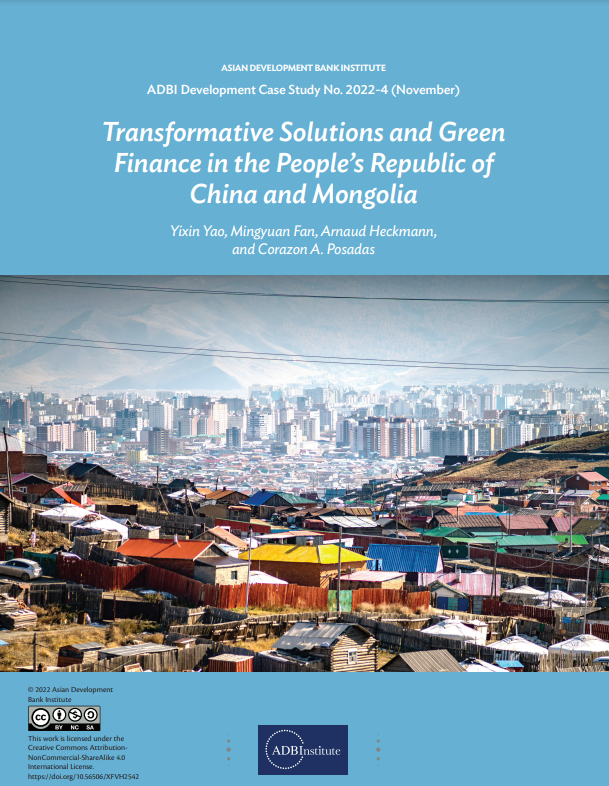
"Asia has experienced widespread transformation and growth, accompanied by increased demographic pressure, greater intensification of agricultural production, industrialization, and urbanization. This economic growth has been very resource- and carbon-intensive, while climate change has triggered or exacerbated behaviors and defense mechanisms that have come at the expense of the natural environment.

"A global pandemic, supply-chain disruption, extreme weather, war in Europe, forced migration on a massive scale, rocketing gas prices, high inflation, debt burdens, reshoring, friendshoring… It is clear that there will be no going back to the pre-pandemic “business as usual”. This year’s report examines the tectonic changes that the EBRD regions face and presents a wealth of analysis to inform public policy and business decision-making."
Read more … EBRD Transition Report 2022-2023: Business Unusual
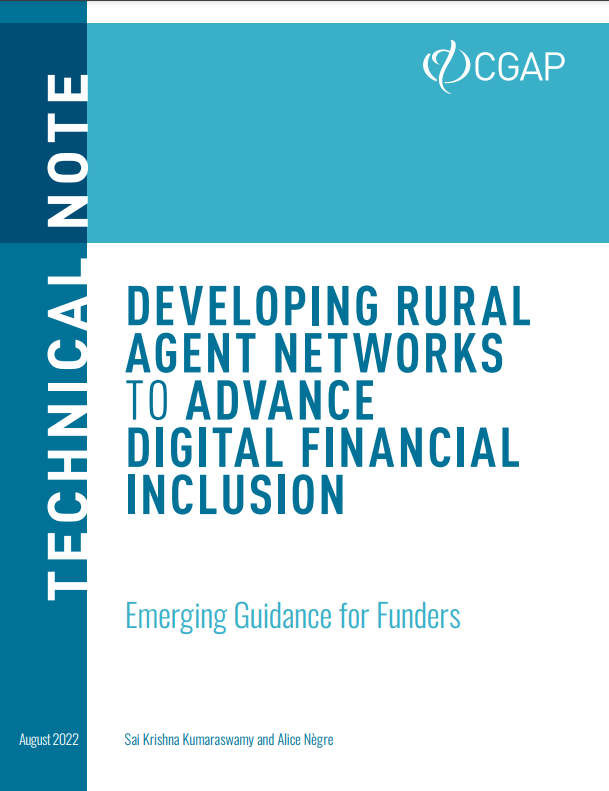
"Rural development is central to realizing the 2030 Sustainable Development Goals (SDGs) agenda because nearly 80 percent of the world’s poor live in rural areas (UNDESA 2021). Moreover, rural populations have less access to education, health, electricity, sanitation, and other services, leading to marked rural-urban disparities, discontent, and discord.
It is widely accepted that financial services for the poor and excluded is a key enabler in advancing several SDGs. However, increasing access to, and usage of, financial services in rural areas is not easy.
Read more … Developing rural agent networks to advance digital financial inclusion

"Three compounding crises—conflict, COVID, and climate change—are giving rise to another: hunger.
Food prices rose 23 percent in 2021, ending several years of relative price stability, in part because extreme weather hurt harvests and energy costs climbed. Then came Russia’s invasion of Ukraine in late February, sending prices to an all-time high by disrupting commodity flows from two of the world’s largest exporters of wheat and other staples.
The invasion idled Ukraine’s once-busy Black Sea ports and left fields untended, while curbing Russia’s ability to export.

Nearly half a billion micro and small enterprises (MSEs) in emerging markets provide livelihood opportunities for millions of low-income populations around the world. Access to relevant, affordable, and responsible finance remains a persistent barrier, constraining stability and growth for these MSEs – especially the smallest firms and those in the informal sector. While the financial inclusion community has long focused on supporting MSEs, FSPs and funders tend to view the entire MSE sector as monolithic and do not consider the diversity of firms within that universe.
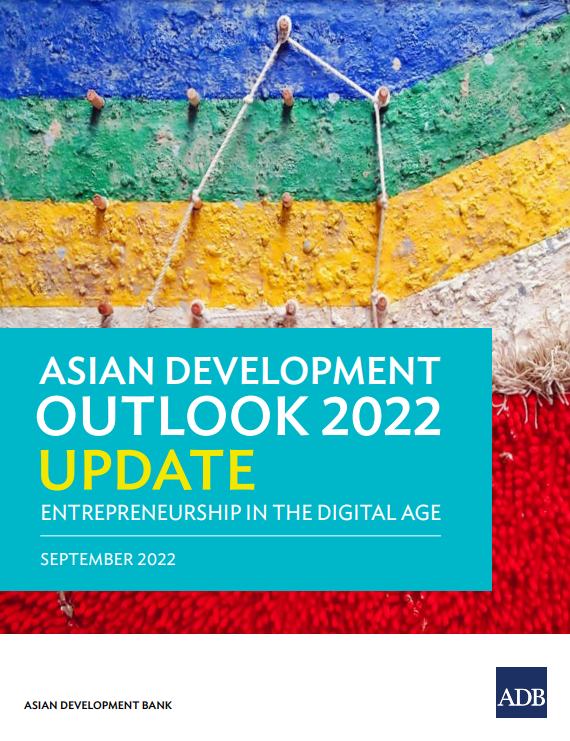
The region’s economy is expected to grow 4.3% this year, compared with ADB’s projection in April of a 5.2% expansion, while the growth forecast for next year is lowered to 4.9% from 5.3%. The downward revisions have been driven by increased monetary tightening by central banks, fallout from the protracted Russian invasion of Ukraine, and recurrent COVID-19 lockdowns in the People’s Republic of China.
Read more … Asian Development Outlook (ADO) 2022 Update: Entrepreneurship in the Digital Age
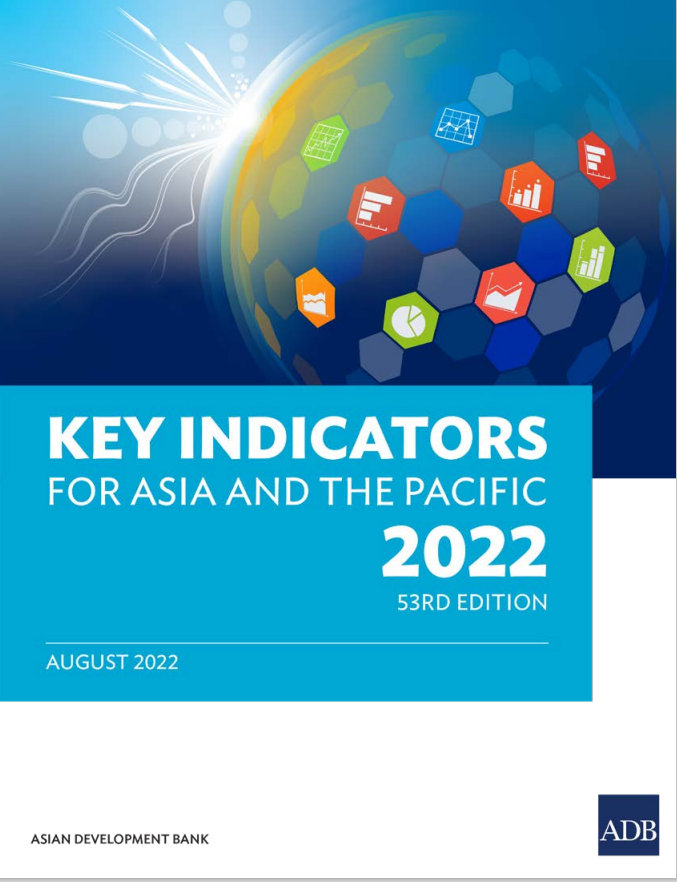
The report covers the 49 regional members of ADB. It discusses trends in development progress and the challenges to achieving inclusive and sustainable economic growth across Asia and the Pacific.